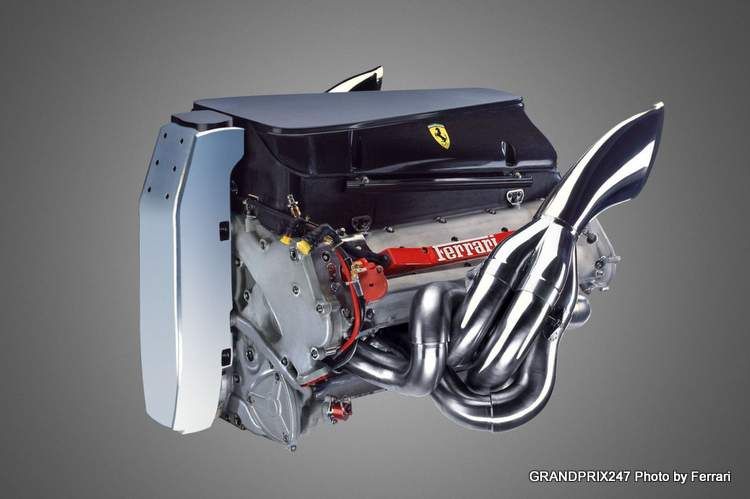
In a recent statement, FIA President Mohammed Ben Sulayem revealed that V8 engines will make a return to Formula 1, marking a significant change in the sport's technical regulations. This decision has generated considerable excitement among fans and teams alike, as it signals a shift away from the current hybrid power units that have been in use since 2014.
The move to reintroduce V8 engines is seen as an effort to bring back the raw sound and performance characteristics that many enthusiasts associate with classic Formula 1 racing. The V8 engines, known for their distinctive roar and high-revving capabilities, are expected to enhance the auditory experience of races and potentially influence the overall racing dynamics.
According to Sulayem, the decision was made after extensive consultations with teams, engineers, and stakeholders within the sport. The FIA aims to balance technological innovation with the preservation of traditional racing elements that have defined Formula 1 for decades. The reintroduction of V8s is also part of a broader strategy to diversify the engine regulations and make the sport more appealing to a global audience.
While details regarding the specific specifications and implementation timeline are still being finalized, sources suggest that the V8 engines could be introduced as early as the 2025 season. This timeline would allow teams sufficient time to develop and adapt their power units to meet the new regulations.
Industry experts believe that the return of V8 engines could lead to a resurgence in engine development and innovation within Formula 1. It may also influence the design and engineering approaches of teams, potentially leading to more aggressive and dynamic racing styles.
However, some critics argue that reverting to V8 engines might conflict with the sport's ongoing efforts to improve sustainability and reduce emissions. The FIA has emphasized that the decision is primarily driven by performance and fan engagement considerations, and that environmental concerns will continue to be addressed through other technological advancements.
Overall, the announcement marks a pivotal moment in Formula 1 history, reflecting the sport's ongoing evolution and its commitment to balancing tradition with innovation. Fans and industry insiders will be watching closely as the FIA finalizes the details and prepares for the upcoming seasons with this exciting new development.